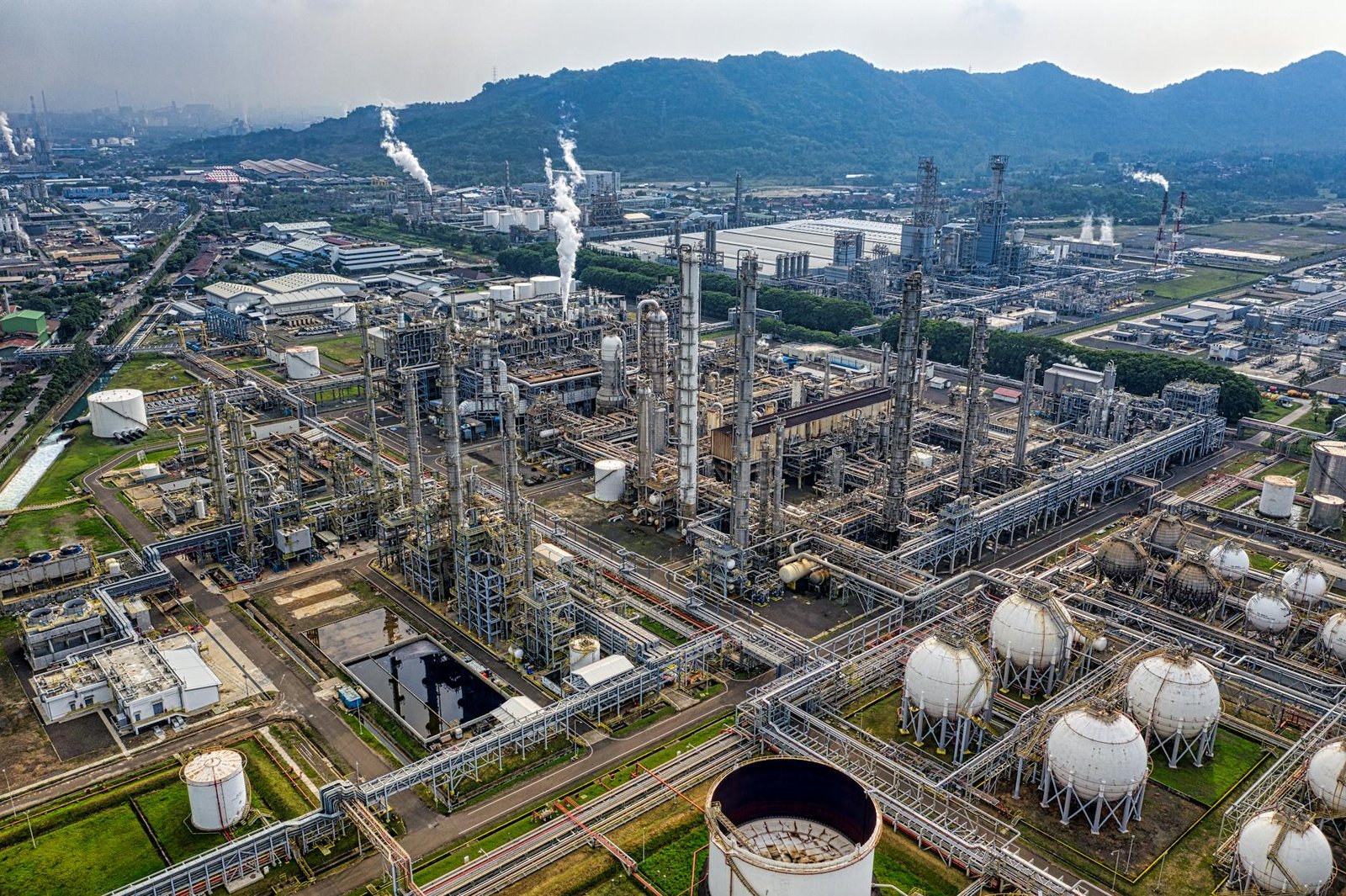
Fresh hostilities between the United States and Iran pushed oil prices higher and lifted government bond yields, leaving equity futures largely flat as investors weighed geopolitical risk alongside a busy day of economic data.
Crude oil moved higher after reports of renewed tensions between the United States and Iran, adding a risk premium to energy markets. Oil prices tend to rise when conflict threatens supply routes in the Middle East, a region that accounts for a significant share of global petroleum output. Higher oil prices can feed through to consumer prices over time, complicating the outlook for inflation and interest rates.
Bond yields also climbed in response. When investors see rising oil prices or geopolitical uncertainty, they sometimes sell government bonds on concern that energy-driven inflation could keep central banks in a tighter stance for longer. A rise in yields means the price of existing bonds has fallen — the two move in opposite directions.
Despite the moves in oil and bonds, U.S. stock futures showed little net change, suggesting equity investors are in a wait-and-see mode rather than making large directional bets. Geopolitical flare-ups can create short-term volatility, but markets have historically tended to look through them unless the disruption to trade or energy supply proves lasting.
Attention is also turning to the ADP private-sector employment report, an early read on labor market conditions ahead of the more closely watched government jobs report later in the week. A strong jobs number would reinforce the picture of a resilient U.S. economy, while a weaker reading could give the Federal Reserve more room to consider rate adjustments. The Fed has repeatedly emphasized that its policy decisions will remain data-dependent.
Earnings results from a major semiconductor company are also due, which could influence sentiment in the technology sector. The chip industry has become a closely watched bellwether for broader technology spending and artificial-intelligence investment cycles.
Investors will be watching the ADP employment figures and any further developments on the U.S.-Iran front to gauge whether the early pressure on oil and bonds persists.