A confrontation between Chinese and Philippine vessels near the Second Thomas Shoal has reignited tensions in the South China Sea, a strategically vital waterway that carries trillions of dollars in global trade each year.
China and the Philippines are trading accusations following an incident at sea near the Second Thomas Shoal, a contested reef in the South China Sea where the two countries have clashed repeatedly in recent years. A Philippine sailor was reported injured, adding urgency to a dispute that has long been a flashpoint for regional instability.
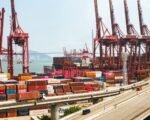
The South China Sea sits at the center of one of the world’s most important shipping corridors. A large share of global maritime trade — including oil, liquefied natural gas, and manufactured goods — passes through these waters. Any sustained escalation between claimant states raises concerns among traders, insurers, and policymakers about the security of those supply routes.
The Second Thomas Shoal has been a recurring site of friction. The Philippines maintains a small military outpost there, and Chinese coast guard and maritime militia vessels have repeatedly challenged Philippine resupply missions in the area. Each new incident draws diplomatic protests from Manila and strong denials or counter-accusations from Beijing.
For financial markets, the immediate impact of individual sea incidents is typically limited, but a pattern of escalation can shift sentiment. Rising tensions in the Asia-Pacific tend to weigh on regional currencies and equities, push investors toward safe-haven assets such as U.S. Treasuries and gold, and lift shipping insurance premiums. Oil prices can also react if markets perceive a threat to tanker routes.
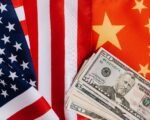
The United States, bound by a mutual defense treaty with the Philippines, has expressed support for Manila in past confrontations, adding a broader geopolitical dimension to what might otherwise be a bilateral dispute. How Washington and Beijing each respond in the coming days will be closely watched by markets sensitive to U.S.-China relations.
Traders and policymakers will monitor whether diplomatic channels can contain the fallout, or whether the incident marks another step toward deeper instability in the region.