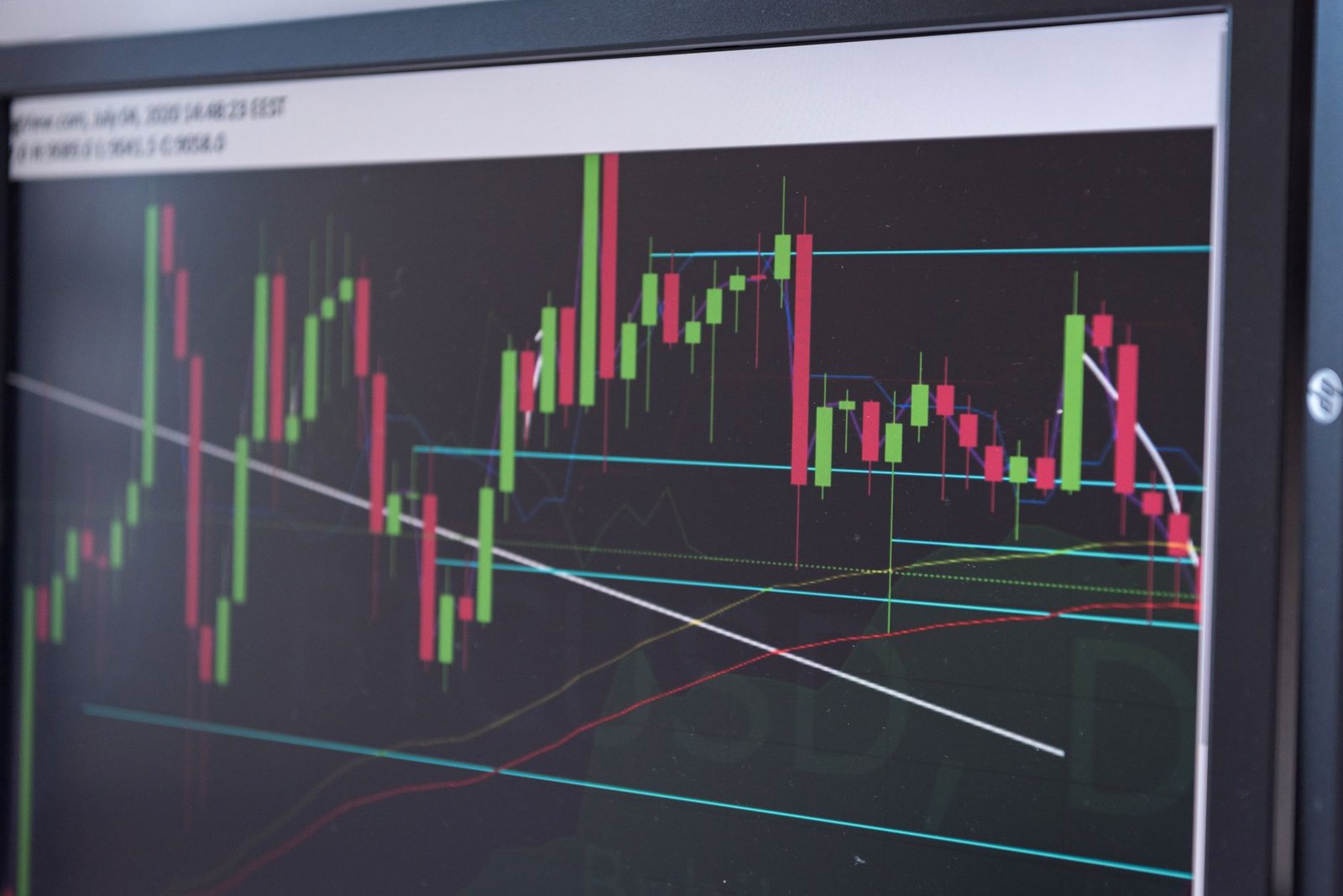
Shares in artificial intelligence companies fell across global markets after prominent industry executives called for a deliberate slowdown in AI development. The remarks rattled investor confidence in one of the market’s most closely watched growth themes.
Stocks tied to artificial intelligence declined in markets around the world after a number of high-profile industry leaders publicly argued that the pace of AI development should be reduced. The comments sparked a broad retreat across the sector, from chip makers to software firms that have built much of their recent valuation on expectations of rapid AI expansion.
When leaders inside an industry call for restraint, markets tend to interpret it as a signal that the technology carries risks not fully priced in — or that regulatory pressure may follow. Either possibility can dampen the enthusiasm that has driven AI-related stocks sharply higher over the past few years.
AI-linked equities have become a significant driver of global equity index returns. A pullback in the sector, even a modest one, can weigh on broad market benchmarks, particularly in the United States, Europe, and parts of Asia where major AI companies carry heavy index weightings.
The call to slow development also raises a separate question for investors: if growth timelines extend, will the enormous capital spending on AI infrastructure — data centers, chips, power systems — deliver returns as quickly as companies have projected? That uncertainty is enough to prompt some investors to reduce exposure, at least in the near term.
It is worth noting that calls for caution in fast-moving technology sectors are not new, and markets have historically recovered when concrete policy changes or disruptions did not materialize. For now, though, the remarks were enough to put sellers in control of the AI trade for the session.
Investors will be watching for any follow-up from regulators or policymakers, which could determine whether this is a brief dip or the start of a broader reassessment of AI valuations.