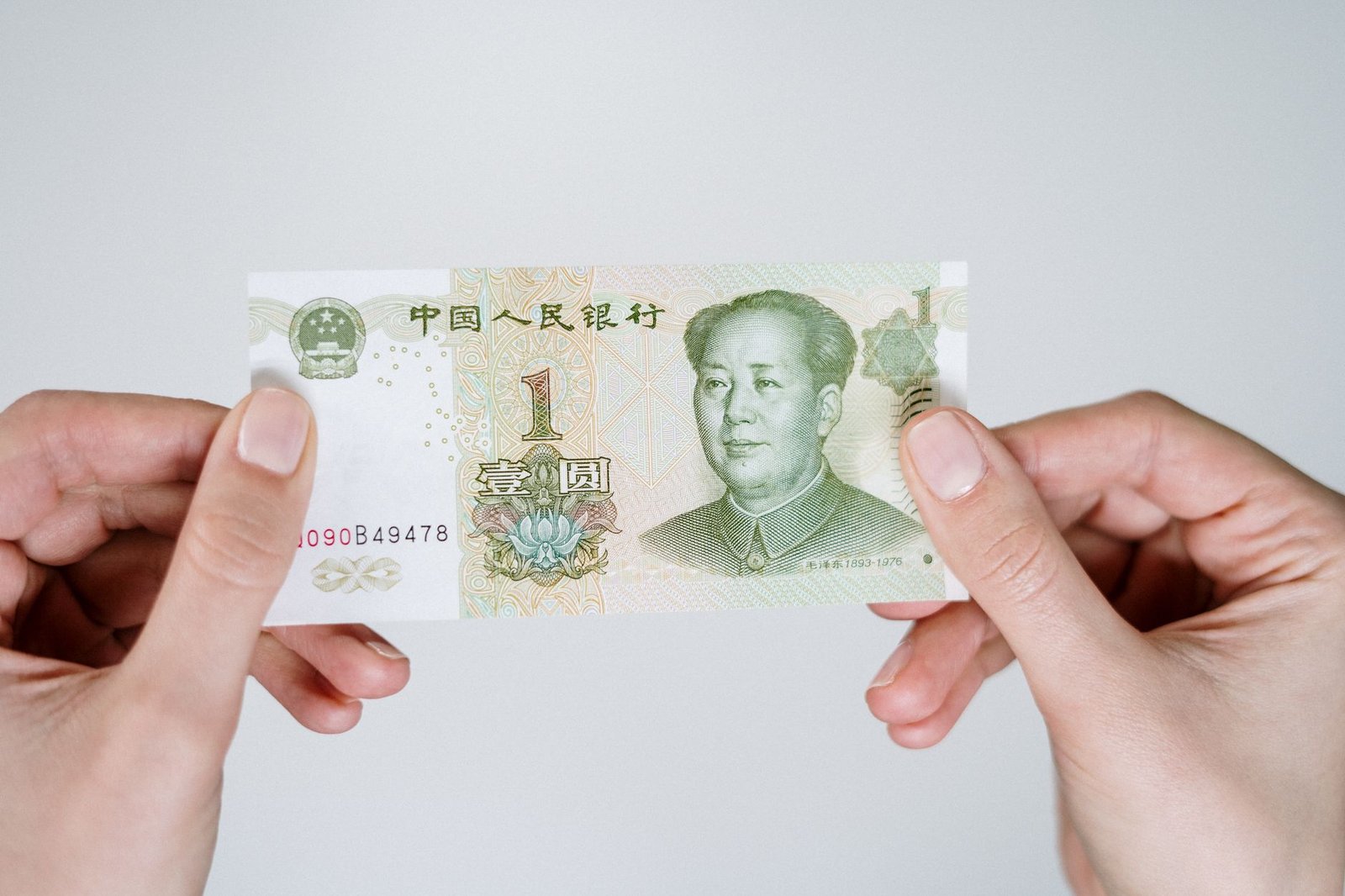
The governor of China’s central bank said the renminbi is steadily expanding its footprint in global trade and financial transactions, a sign that Beijing’s long-running push to elevate its currency on the world stage is gaining traction.
China’s top central banker has signaled that the renminbi — also known as the yuan — is being used more widely in cross-border trade and investment, reinforcing a trend that has drawn close attention from currency watchers and policymakers worldwide.
For years, Beijing has worked to reduce the global economy’s dependence on the U.S. dollar by encouraging trading partners to settle deals in renminbi and by expanding the currency’s presence in international bond and loan markets. The central bank governor’s remarks suggest those efforts are producing measurable results.
The renminbi’s rise matters for several reasons. A more widely used yuan gives China greater insulation from dollar-based financial pressures — including the kind of exchange-rate stress that can hit emerging markets when the U.S. Federal Reserve raises interest rates. It also gives Beijing more leverage in trade relationships, particularly with countries in Asia, the Middle East, and parts of Africa that have deepened ties with China in recent years.
At the same time, the dollar’s dominance in global finance remains vast. The vast majority of world trade is still invoiced in dollars, and U.S. Treasury bonds remain the world’s preferred safe-haven asset. Any meaningful shift in that balance tends to happen slowly, over decades rather than years.
Still, the direction of travel is being watched carefully. Some central banks have been quietly diversifying their reserve holdings away from dollars, and bilateral trade agreements that price goods in renminbi have multiplied. Each incremental step adds to the currency’s credibility as a serious alternative for international use.
The comments from China’s central bank governor arrive at a moment of heightened attention to the global monetary order, as geopolitical tensions and shifting trade alliances prompt governments and businesses to reconsider their currency exposure.
How fast the renminbi’s international role grows will depend on factors including China’s capital account openness, the pace of global de-dollarization, and the trajectory of U.S.-China relations.