Coffee futures have retreated from historic highs after a combination of weather concerns and a margin requirement increase from the exchange triggered a wave of selling. The swing underscores just how volatile commodity markets can become when weather fears and trading mechanics collide.
Coffee prices surged to record levels in recent weeks, driven by fears that El Niño weather patterns could damage crops in key growing regions. El Niño — a periodic warming of the Pacific Ocean — tends to bring drought to parts of Brazil and other major coffee-producing countries, threatening harvests and squeezing global supply.
But the rally reversed sharply after the ICE Futures exchange raised its margin requirements for coffee contracts. A margin hike means traders must post more cash as collateral to hold their positions. When that cost rises suddenly, many traders — particularly those who borrowed heavily to bet on higher prices — are forced to sell, pushing prices back down quickly.
The result is the kind of whipsaw move that often catches everyday investors off guard. A commodity can rise for sound fundamental reasons, like a real supply threat, and then fall just as fast when the mechanics of futures markets kick in.
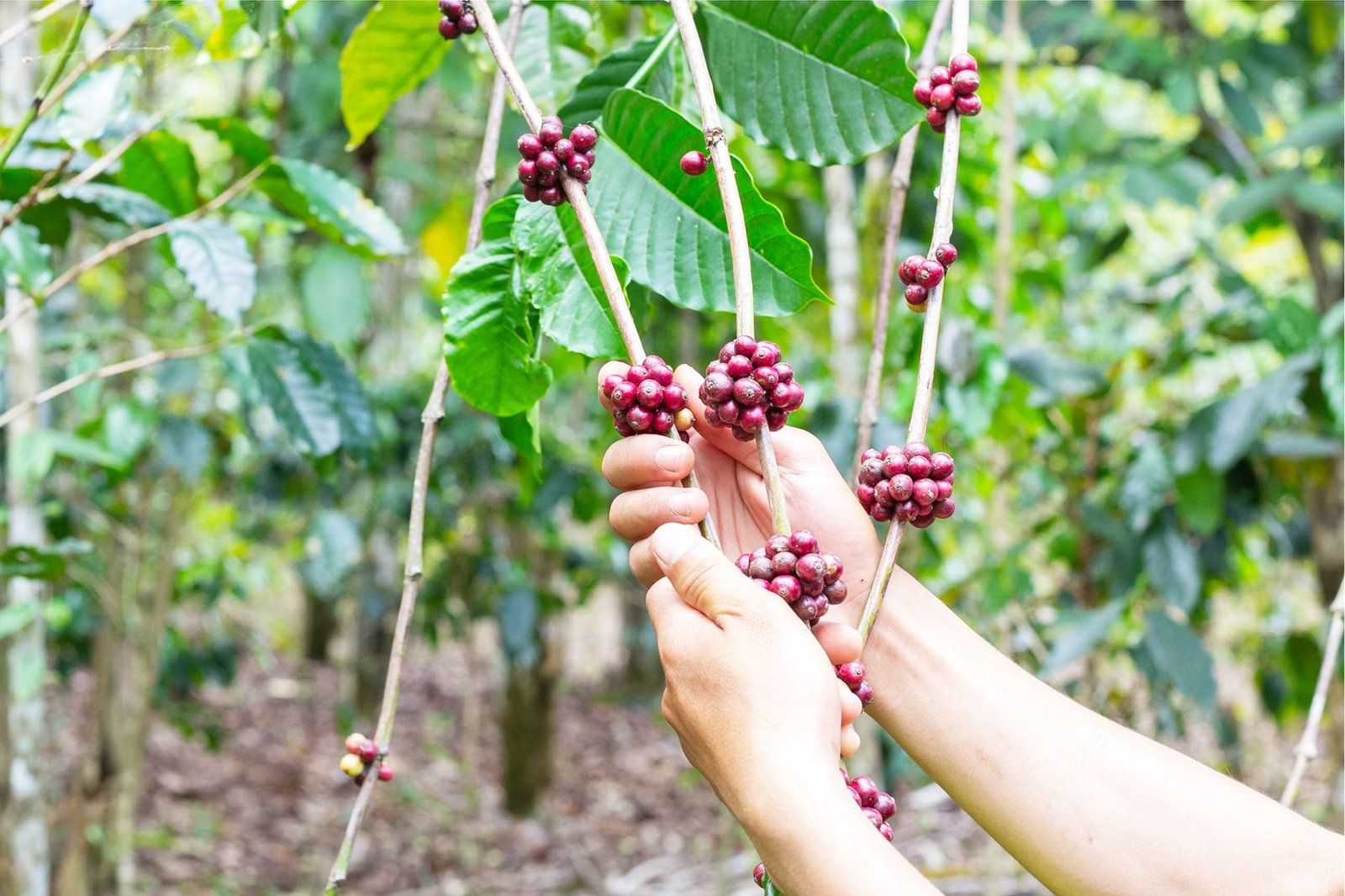
The underlying weather story has not gone away. El Niño conditions can persist for months, and their full impact on coffee crops in Brazil, Vietnam, and Colombia may not be clear for some time. Analysts watching agricultural commodities will be closely tracking rainfall data and crop condition reports in the months ahead.
For consumers, coffee prices at the retail level tend to move more slowly than futures prices — roasters and retailers typically buy supplies well in advance and absorb short-term swings. But a prolonged period of high futures prices does eventually filter through to store shelves, adding a small but real pressure to household budgets at a time when many consumers are already watching their spending carefully.
Whether prices stabilize will depend on how El Niño conditions develop over the coming months and whether crop damage in key growing regions proves as severe as feared.